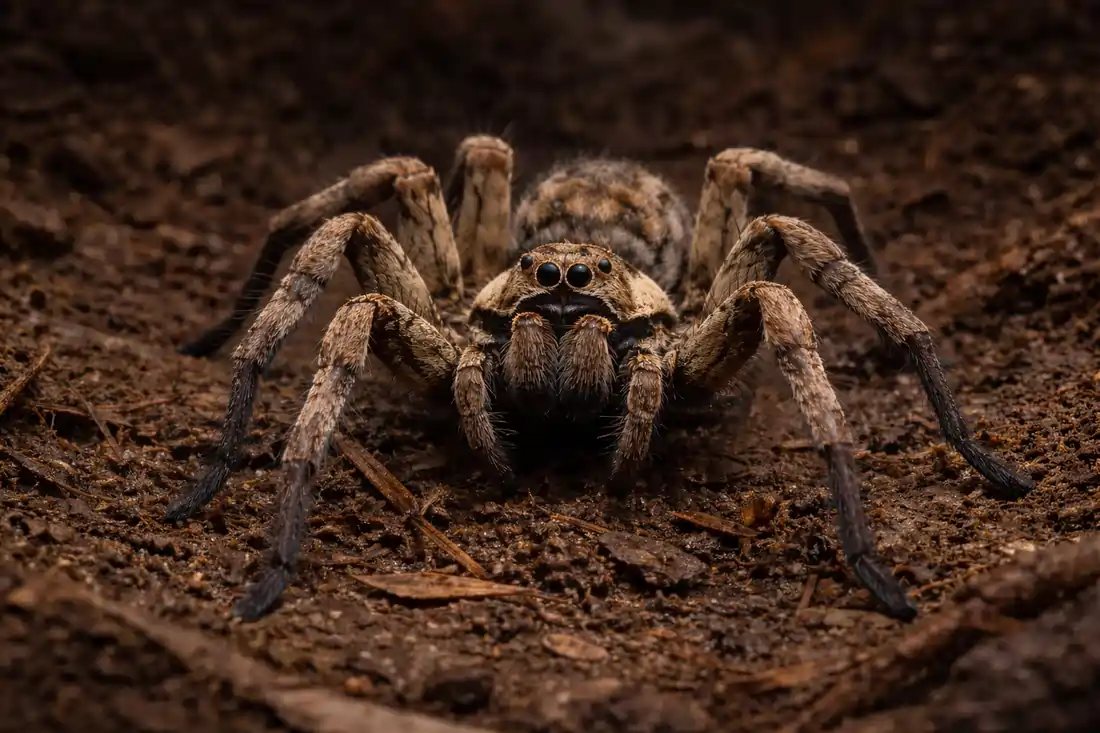
In the Sacramento Valley, from the suburbs of Roseville to the older neighborhoods around Land Park, homeowners are used to the occasional creepy crawler. One of the most common, and most misunderstood, is the wolf spider. They can look intense: big, fast, and hairy. But they are also a normal part of Northern California's ecosystem.
Still, “not dangerous” does not mean “welcome.” If you are spotting wolf spiders in your garage, crawl space, or even crossing the kitchen floor, it is time to do more than grab a shoe. It may be time to call a professional for spider control and extermination. Here is a practical, local guide to the wolf spiders found around Sacramento and what actually works to keep them out.
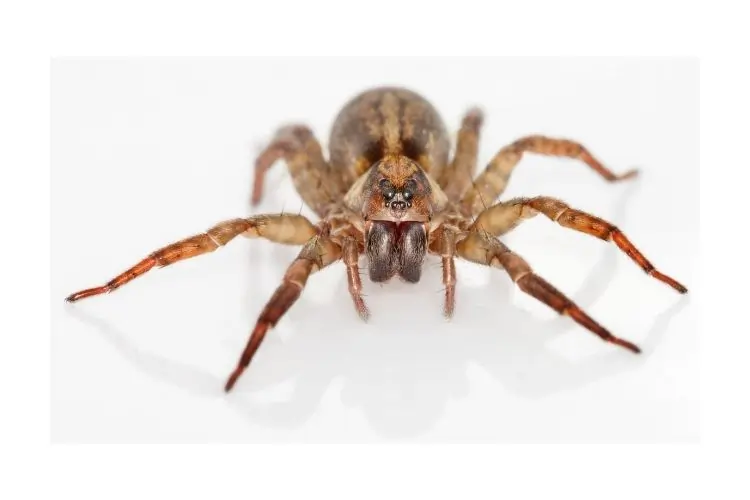
Most house spiders you see indoors are web builders. Wolf spiders are different. They are part of the Lycosidae family (the name comes from the Greek word for “wolf”), and they hunt on foot. No web required.
Sacramento’s hot summers and damp winters also play a big role. When outdoor conditions get extreme, wolf spiders look for stable shelter, and that can mean your home.
Sacramento sits near the Sacramento and American Rivers, and the whole region has plenty of irrigated landscaping and agriculture nearby. That adds up to one thing: lots of insects.
Wolf spiders are generalist predators, meaning they will eat almost anything they can catch, including crickets, roaches, and other spiders. If you have a steady insect population around your home, you have a steady reason for wolf spiders to hang around.
If you are trying to confirm what you are looking at, here are the biggest tells.
1) The eyes
They have eight eyes in three rows. The two center eyes are large and easy to spot. At night, if you shine a flashlight across the yard, you might see tiny points reflecting back.
2) The moms carry the kids
Female wolf spiders carry their egg sacs attached to their spinnerets. After the eggs hatch, the spiderlings ride on the mother’s back for a while. If you see a spider that looks like it has a bumpy back, it might be carrying babies.
3) The movement
They do not hang from a web or drop down on silk like many other spiders. They move in quick bursts and usually try to run away.
Spiders are not coming in to chase people. They are following food and looking for better conditions.
In the Sacramento area, you usually see two big seasonal spikes:
Summer heatwaves (July through early September)
When it is consistently over 100 degrees, wolf spiders look for cooler, shaded areas like crawl spaces, garages, and air conditioned rooms.
Winter rain and saturated ground (roughly December through February)
Wolf spiders that live in burrows can get pushed out when the soil stays wet. They move to higher, drier spots, and that often means slipping in through gaps around doors, foundations, or garage edges.
If you see one spider once, that is easy. If you are seeing them regularly, you need a plan. The best approach is IPM (Integrated Pest Management), which basically means: remove the spider, block entry points, and reduce the food and shelter that attracts them.
For a single wolf spider, a vacuum with a hose attachment is the fastest and cleanest solution. This matters even more if you suspect it is a female carrying spiderlings. Crushing a mother can release a bunch of babies into carpet or storage clutter. Vacuuming keeps everything contained.
This is where most long term wins come from, especially in older areas like Midtown and East Sac where settling and small gaps are common.
Wolf spiders like places they can tuck into and hunt from.
Outdoor lights attract insects. Insects attract spiders. If your porch light is bright and on every night, it can turn your entryway into a feeding zone.
Switch outdoor bulbs to yellow LED bug lights, which draw fewer moths and beetles.
If spiders keep showing up, a perimeter treatment can help, but it works best when paired with sealing and cleanup. Pros often use micro encapsulated products designed to cling to a spider’s legs and body when it crosses treated surfaces.
This is one of the reasons professional treatments tend to outperform random indoor spraying. Indoor sprays might kill what you see, but they do not address where spiders are entering or what is feeding them.
DIY is fine for the occasional spider. But if the sightings are frequent, it usually means there is a bigger issue.
Consider calling Pinnacle Pest Control if:
Are wolf spider bites dangerous?
For most people, a wolf spider bite is similar to a bee sting: pain, redness, maybe some swelling. Wolf spiders are not aggressive and usually only bite if trapped against skin or handled.
Do they jump?
They can do small hops when pouncing on prey, but they are not jumping at people. If you surprise one, it is far more likely to sprint away.
How big do they get in Sacramento?
Local species commonly reach about 1 to 1.5 inches in body length. The leg span can make them look closer to 3 inches, which is part of why they freak people out.
At Pinnacle Pest Control, we focus on what causes the problem, not just what you see. That means inspecting your perimeter, finding entry points, and building a plan that reduces spider activity by reducing the pests and conditions that attract them.
We serve:
Our approach is family and pet conscious, with green focused options whenever possible.
If you are tired of getting surprised in the garage, checking shoes, or seeing spiders pop up when the weather changes, it is time to get ahead of it.
Call us to get a free quote and we will show you where they are getting in and what to do about it.